

The Railway

A railway into inland Otago
The railway travelling from Dunedin through the Taieri Gorge began as part of the Otago Central Railway, built to connect Dunedin with inland Otago.
Construction began in the late 1870s, creating a railway that would eventually extend deep into Central Otago.
The route through the Taieri Gorge became one of its defining sections.
Building through the Taieri Gorge
Constructing a railway through the gorge required engineers and workers to find a route through steep, difficult terrain.
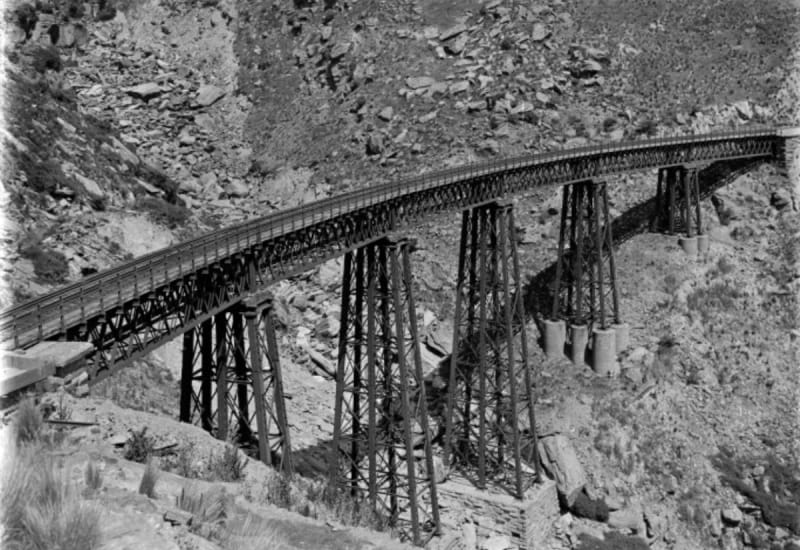
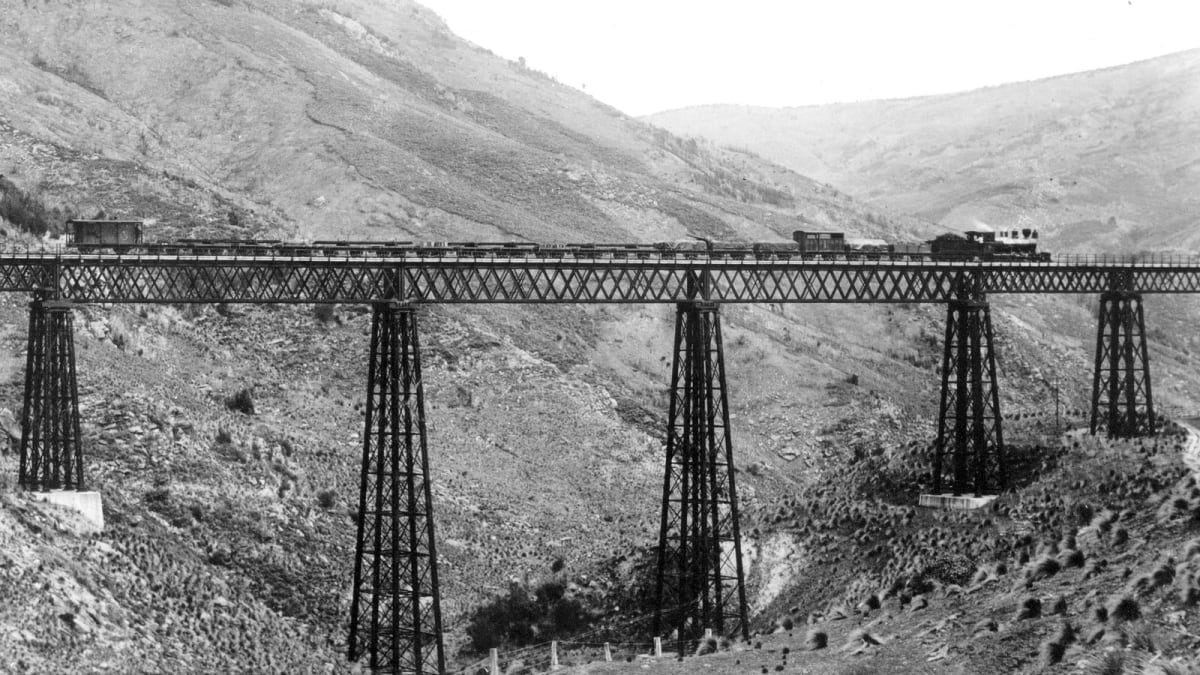
From Wingatui, the railway climbs away from the Taieri Plains and into the gorge, travelling through tunnels cut into the landscape and across bridges and viaducts built above the river and surrounding terrain.
The line reached Hindon in 1889 and Middlemarch in 1891 before construction continued further inland.


Wingatui and the beginning of the branch
The Otago Central Railway branches away from the Main South Line at Wingatui, south of Dunedin.
From there, the railway begins its climb towards the Taieri Gorge.
Today, scenic passenger trains travel from Dunedin Railway Station along the Main South Line before joining this historic railway and continuing through the gorge towards Pukerangi.

A railway with a changing purpose
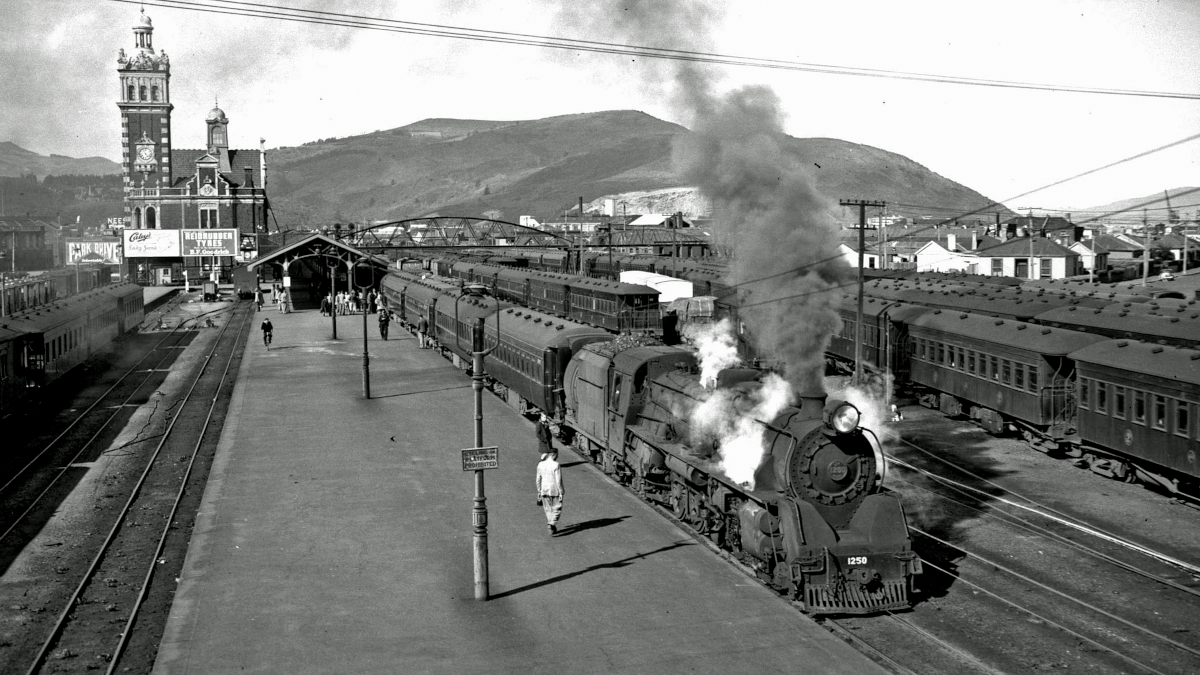
For generations, the Otago Central Railway carried passengers and freight between Dunedin and communities inland.
Changes in transport and freight eventually led to the closure of much of the railway in 1990.
The section through the Taieri Gorge was saved, allowing passenger trains to continue travelling along the historic route.
Beyond Middlemarch, another part of the former railway found a new purpose. The former railway corridor between Middlemarch and Clyde became the Otago Central Rail Trail, allowing people to follow part of the old railway route by bike and on foot.

Travelling the railway today
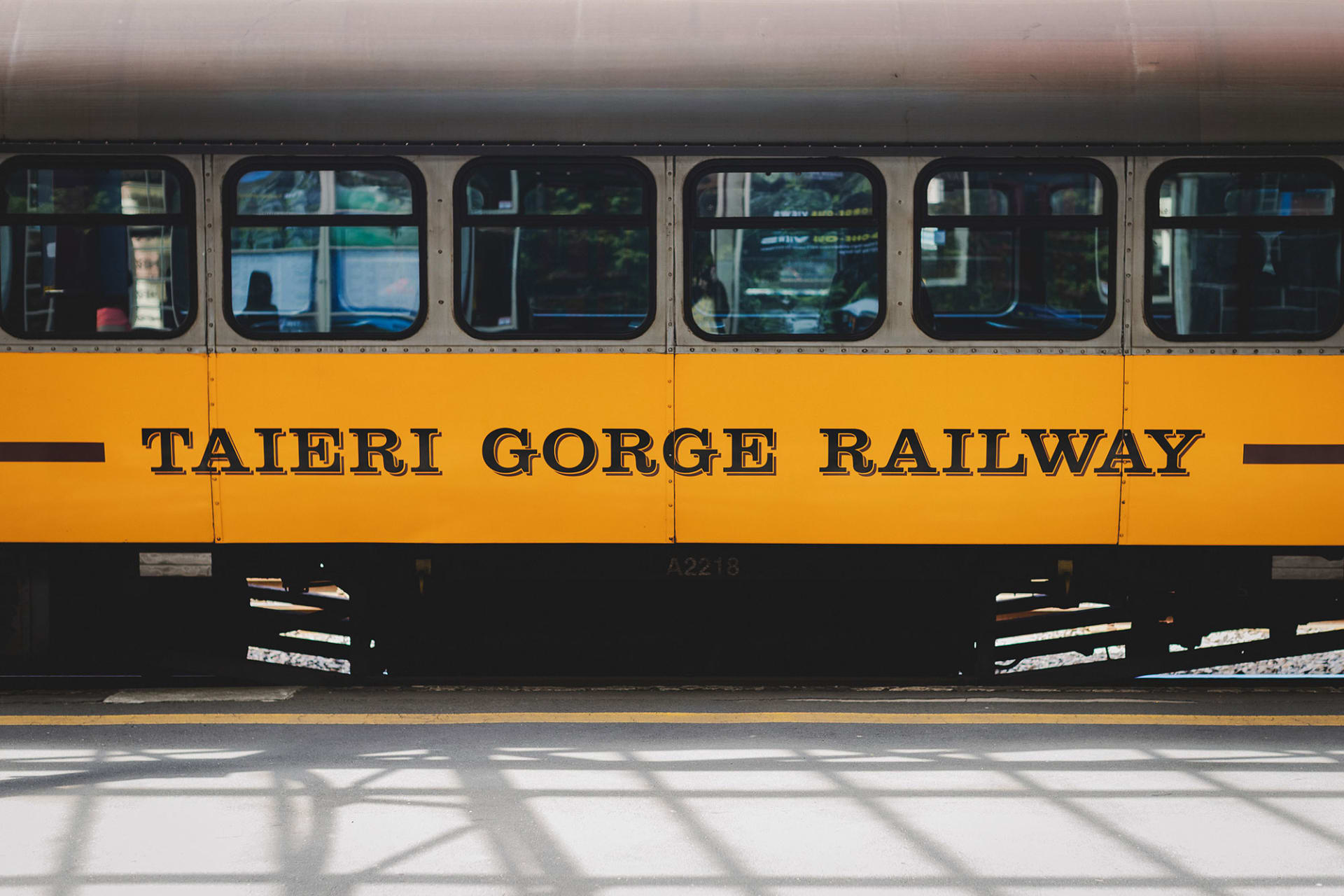
Today, The Taieri Gorge Train travels from Dunedin Railway Station to Pukerangi, following the historic railway through tunnels and across bridges and viaducts built more than a century ago.
The railway itself is an important part of the experience.
Passengers aren't simply travelling through the landscape. They're travelling along a route created to connect Dunedin with inland Otago and preserved so trains can continue making that journey today.
